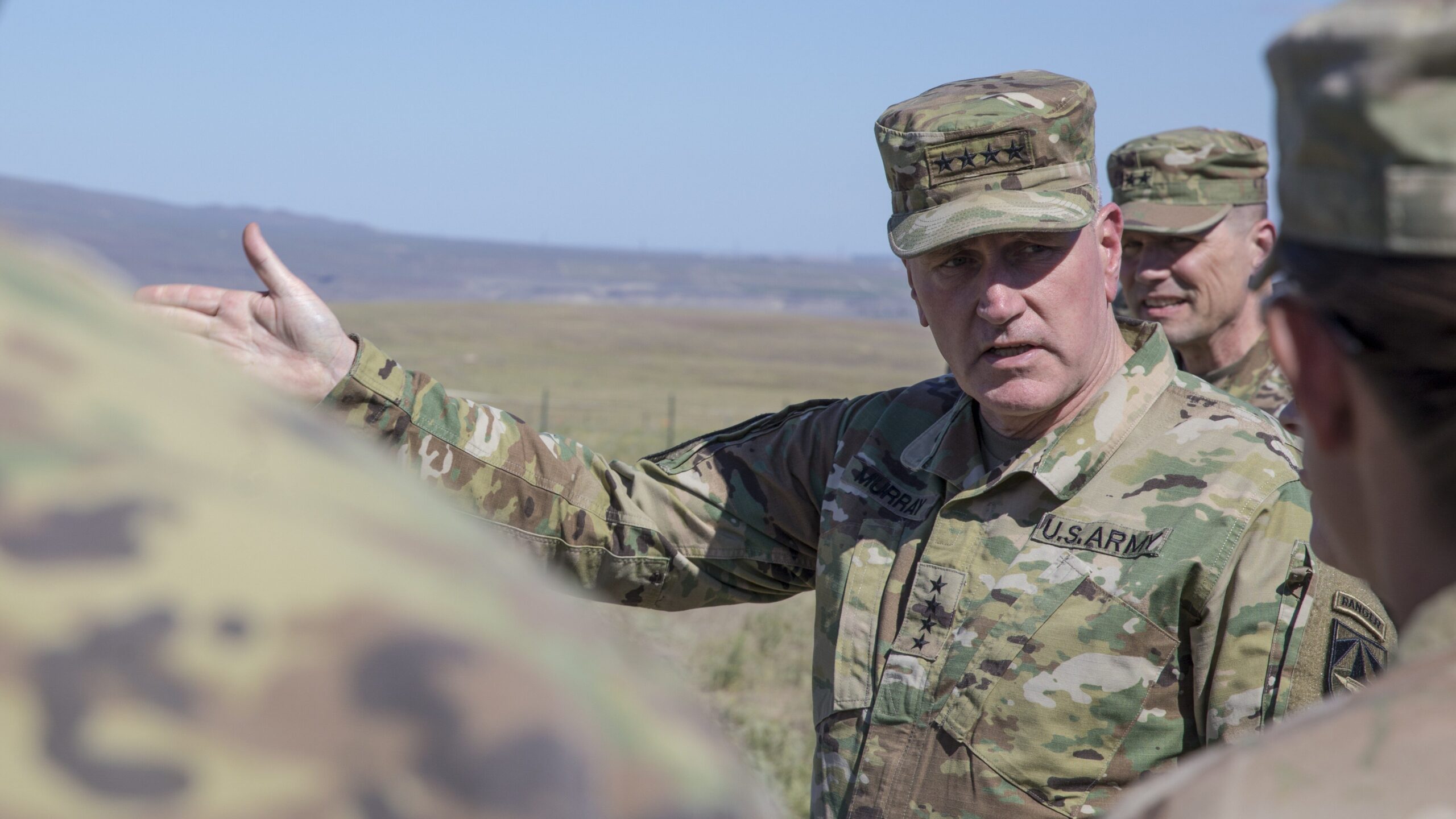
Army Faces ‘Almost Impossible Choices’: Gen. Murray
Some 22 of the Army’s 35 top programs are supposed to field some kind of capability in the next four years, even as budgets drop.
Some 22 of the Army’s 35 top programs are supposed to field some kind of capability in the next four years, even as budgets drop.

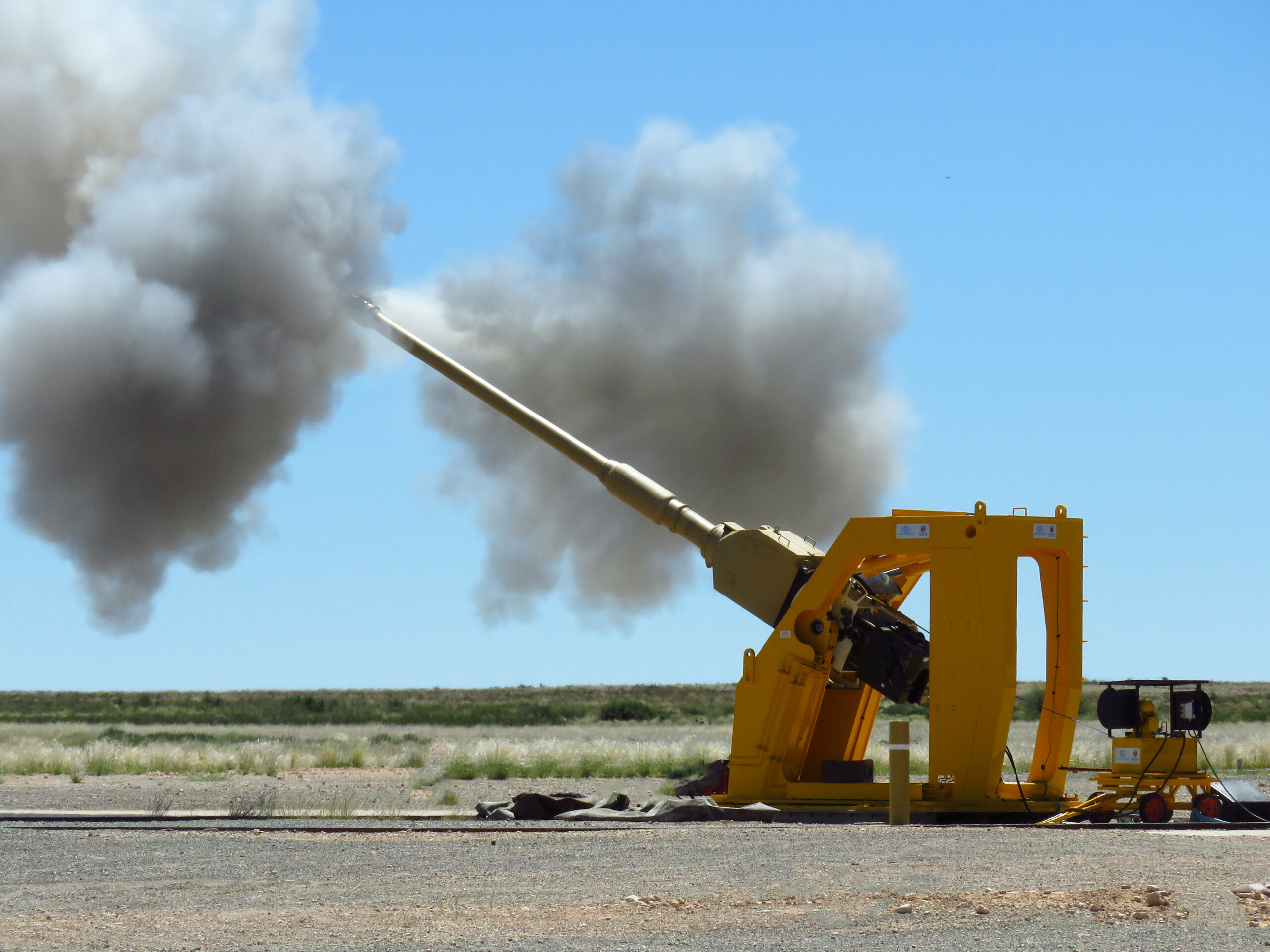
Built on more than a century of excellence in advanced artillery solutions, Rheinmetall innovations offer ready now lethality solutions urgently needed to restore overmatch today and ensure it remains tomorrow.


Architecture that linked sensors, C2, RF effects, and lasers into a distributed c-UAS kill chain.
With shrinking budgets and a growing need for new technologies, “the Army will need to make a compelling case to Congress to fund new capabilities and truncate legacy programs,” said CSBA’s Tom Mahnken.
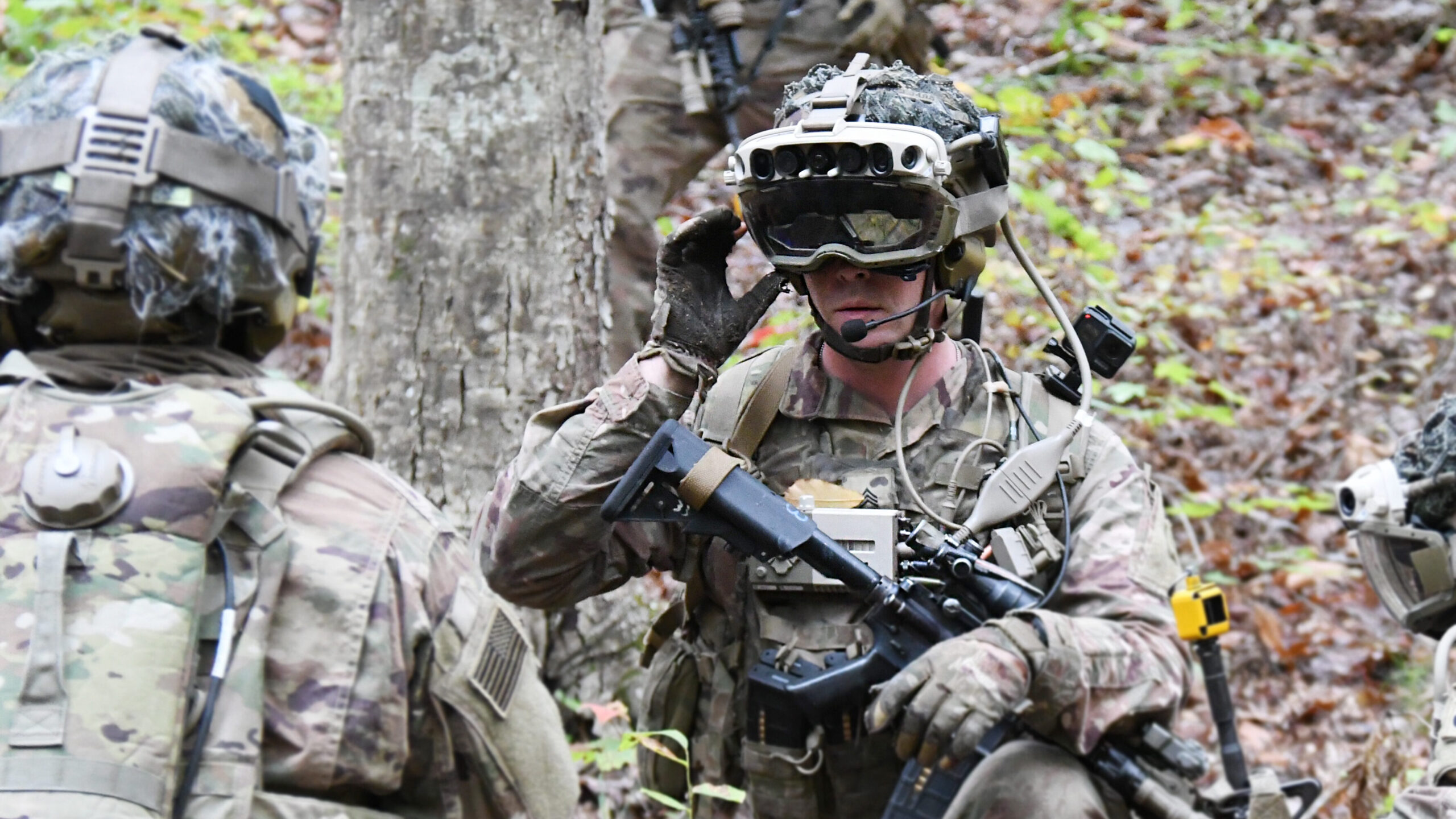
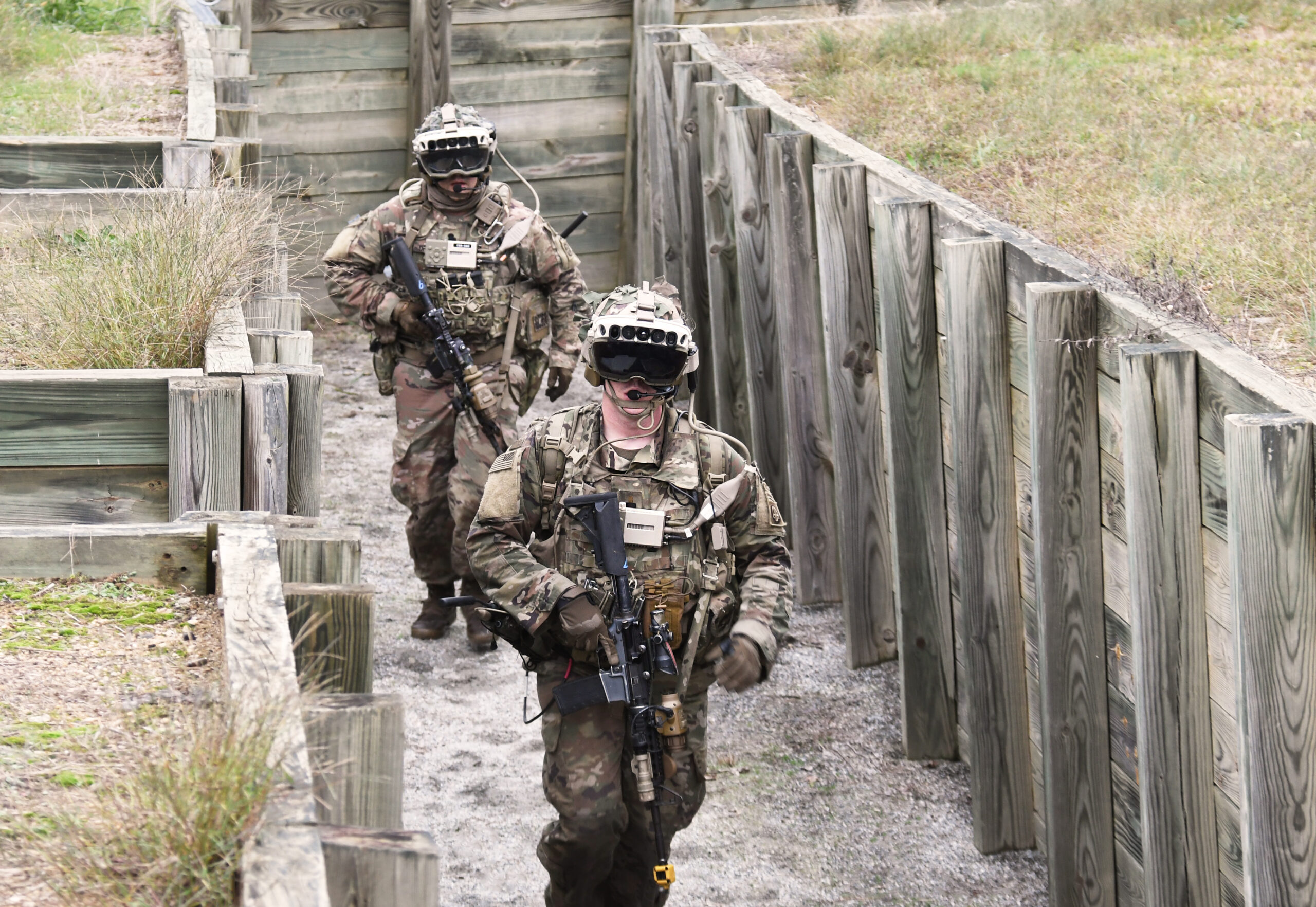
The cutting-edge IVAS targeting goggles took a $230 million hit, while the latest upgrade to the venerable CH-47 Chinook – which the Army doesn’t actually want – got a $165 million boost.

When defense budgets fell in the past, “the easy button” has been cutting modernization to protect manpower and readiness, Lt. Gen. James Pasquarette says. “It's going to be different this time." around.”

The Army Futures commander is making a list of which of the service’s 34 top-priority programs to sacrifice first – and which programs outside the top 34 he has to save.

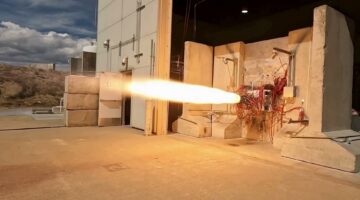
Demand signals from leadership are shaping investments in design, engineering and manufacturing.

The Army’s drive to modernize by 2035 is too big for traditional five-year spending plans, acquisition chief Bruce Jette said. So he’s reviving long-term economic forecasting used in the Cold War.
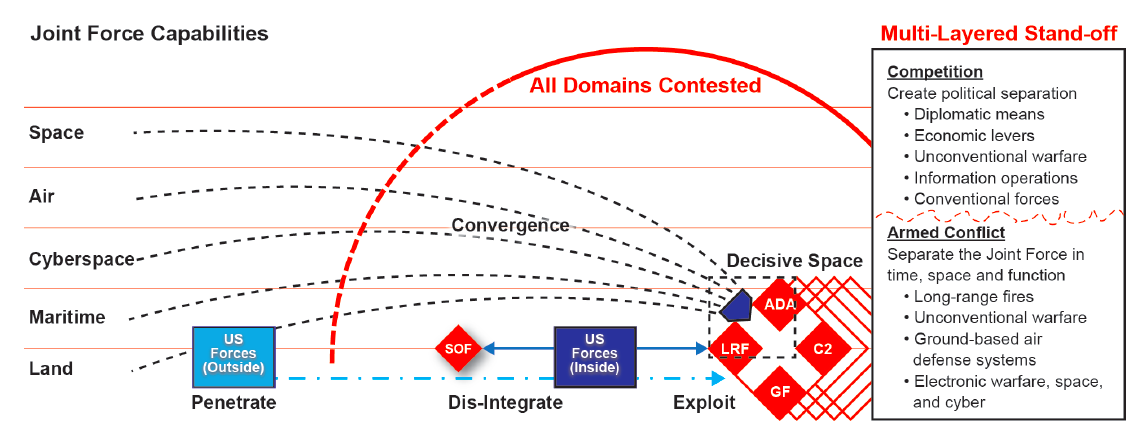
This fall’s experiment will study how the Army’s own weapons can share target data, Gen. Murray said, but in 2021 he wants to add the Air Force’s ABMS network.
“I've heard some people talk about [going] back to a BCA [Budget Control Act] level of funding,” Gen. Murray says, referring to the steep cuts also known as sequestration. “And I've heard some people say that it's even going to be worse than BCA.”

The Army wants to do a tech demonstration in the southwestern desert – COVID permitting – of how the new weapons systems it’s developing can share data.


Avoiding vendor lock and providing more room for sensors and upgrades are critical considerations.
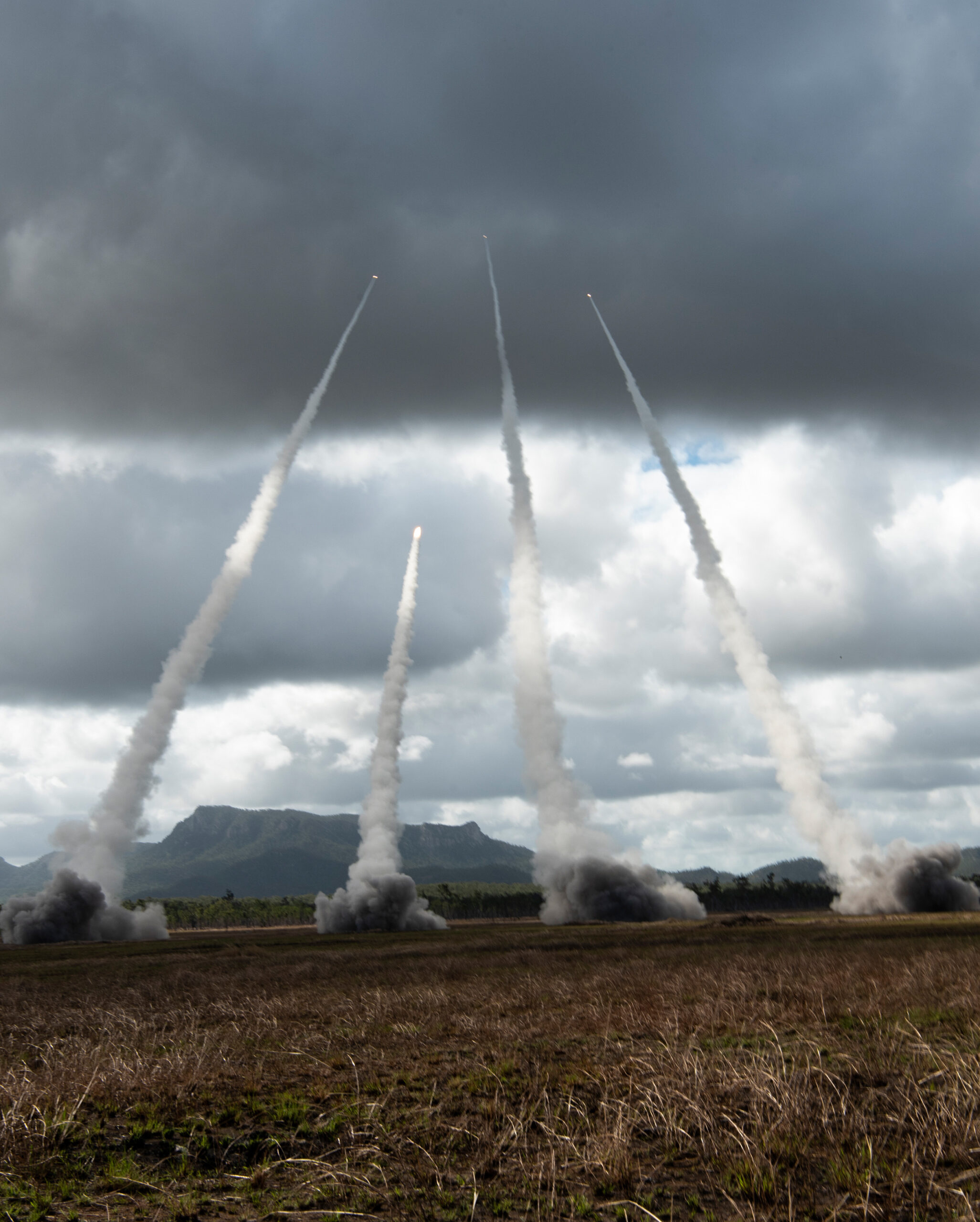
The service’s new AimPoint plan builds very different forces for Europe and the Pacific – but new high-level artillery HQs are central to both.

While some prototype deliveries and field tests are being delayed, Army leaders said, there’s enough slack in the schedule that combat units will still get the new tech on time.
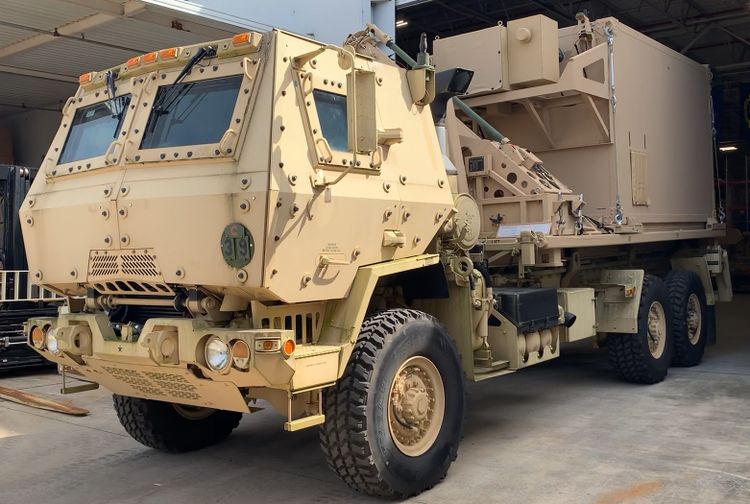
The long-awaited IBCS battle network is meant to connect a wide range of Army radars and weapons – and potentially other services’ as well – for anti-aircraft and missile defense.
BAE will deliver the first 18 ERCA vehicles by 2023 – but the Army is already working on further upgrades.